Strong communities are built through compassion, cooperation, and a shared commitment to helping those in need. Across Somalia, many families face social and economic challenges that affect their access to essential resources, educational opportunities, and a better quality of life. Addressing these challenges requires more than temporary assistance; it requires organizations and individuals who are committed to creating meaningful and lasting change.
Noor Foundation represents the importance of community-based support and humanitarian engagement. Through initiatives that bring people together, community organizations can help strengthen relationships, encourage solidarity, and support vulnerable individuals and families.
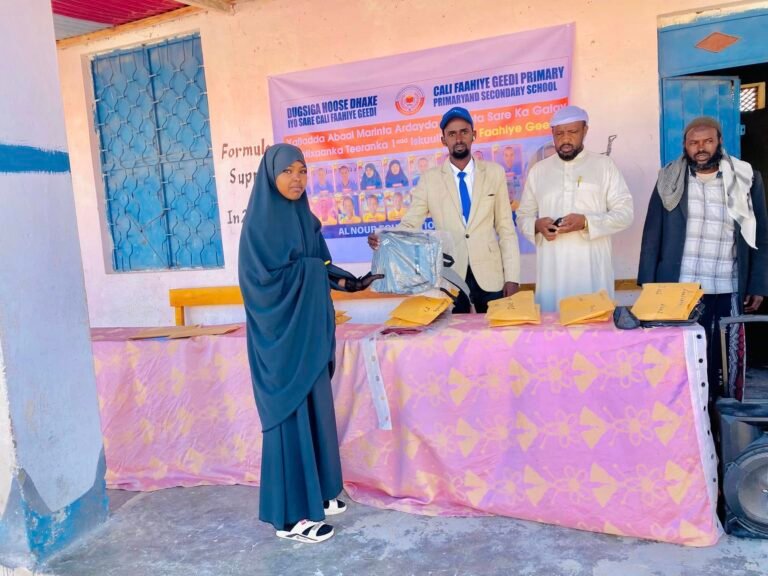
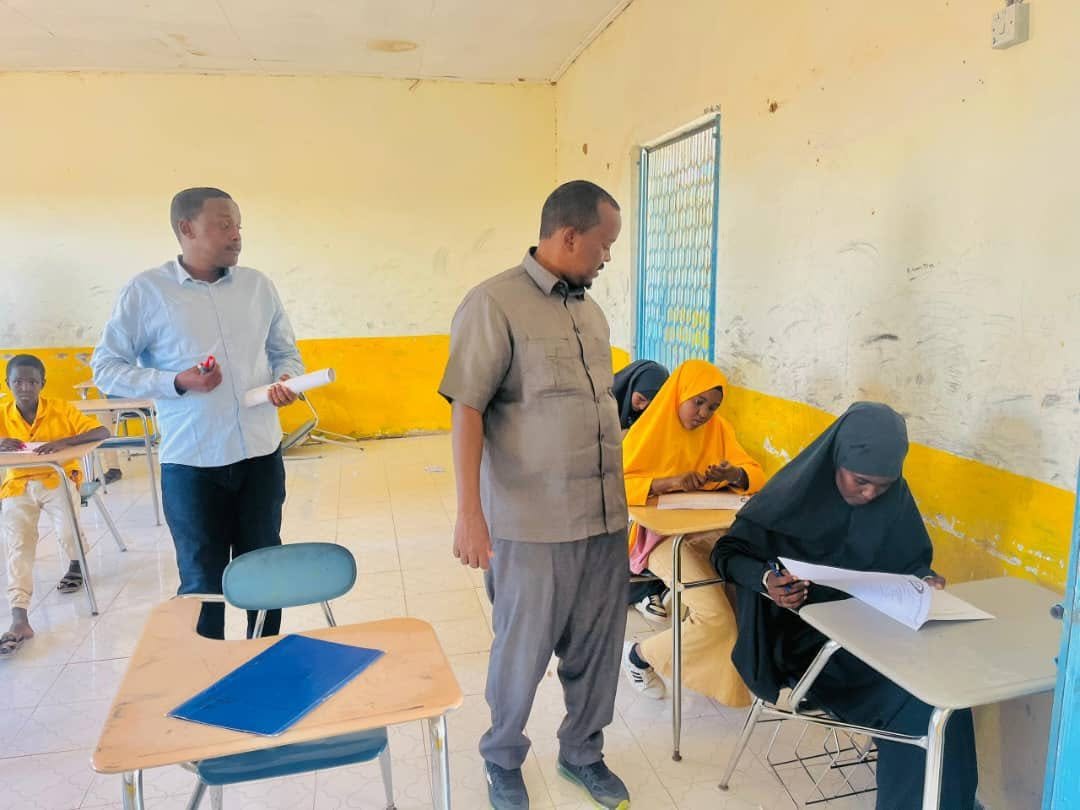
The photographs accompanying this story illustrate two important aspects of community development: providing direct assistance to people in need and recognizing the value of education through community celebrations and certificate presentations. Together, these moments highlight how compassion and opportunity can contribute to a stronger future.
The Importance of Community-Based Support
Community-based organizations play an important role in identifying local needs and developing responses that reflect the realities of the people they serve. Because they work closely with communities, these organizations can better understand the challenges facing families, young people, older adults, and individuals who may require additional support.
Effective community support begins with listening. Every community has different priorities, and successful initiatives should be shaped by the experiences and aspirations of local residents. Whether the priority is education, emergency assistance, social welfare, or youth development, involving community members helps ensure that support is relevant and respectful.
For organizations such as Noor Foundation, community engagement can also create opportunities for collaboration among residents, volunteers, local leaders, and other partners. When people work together toward shared goals, they can build trust and develop solutions that are more sustainable over time.
Supporting Vulnerable Individuals and Families
One of the photographs shows a group of community members participating in what appears to be an assistance handover. The moment captures the importance of human connection in humanitarian work. The exchange of support is not simply about transferring resources; it also represents recognition, dignity, and a commitment to helping people overcome difficult circumstances.
Humanitarian assistance can make a meaningful difference when it responds to genuine needs. Depending on the circumstances, support may include essential supplies, financial assistance, educational materials, or other resources that help individuals and families manage everyday challenges.
However, assistance should always be delivered responsibly. Organizations must consider fairness, transparency, privacy, and the dignity of the people receiving support. Community members should be treated as active participants in development rather than simply as recipients of aid.
By placing people at the center of its work, a foundation can help create an environment where individuals feel respected and encouraged to pursue better opportunities.
Building Trust Through Transparency and Accountability
Trust is one of the most valuable assets a community organization can develop. Supporters, beneficiaries, volunteers, and partners need confidence that resources are managed carefully and that activities are designed to serve their intended purpose.
Transparency can be strengthened through clear communication, responsible financial management, accurate reporting, and regular engagement with community members. Organizations can explain their goals, describe completed activities, and share verified information about the results of their work.
Accountability also means listening to feedback. When communities can express their concerns and offer suggestions, organizations have a better opportunity to improve their programs and respond to changing needs.
For Noor Foundation, continued attention to transparency and community participation can help strengthen relationships and support long-term credibility.
From Immediate Assistance to Sustainable Development
Emergency and short-term assistance can be essential, particularly when families experience unexpected hardship. Nevertheless, lasting community development also requires attention to the underlying challenges that prevent people from achieving stability.
Sustainable support may include educational opportunities, vocational training, mentorship, livelihood initiatives, and partnerships that improve access to essential services. These approaches can help individuals develop skills, strengthen their independence, and participate more actively in their communities.
A balanced approach recognizes that immediate needs and long-term goals are connected. A family receiving essential assistance today may also benefit from access to education, employment opportunities, or other forms of support in the future.
By combining compassion with careful planning, community organizations can help create pathways toward greater resilience and independence.
The Role of Volunteers and Community Partners
Community development is rarely achieved by one organization working alone. Volunteers, local leaders, educators, donors, civil society groups, and community members can all contribute valuable knowledge and resources.
Volunteers may assist with organizing activities, communicating with residents, distributing approved resources, or supporting educational events. Community partners can help identify priorities, coordinate services, and reduce duplication of effort.
Partnerships are especially important when communities face complex challenges. By sharing knowledge and coordinating their efforts, organizations can make better use of available resources and develop more comprehensive responses.
Every contribution matters when it is directed toward a clear purpose and delivered with respect for the people involved.
Measuring the Impact of Community Work
Meaningful community development should be evaluated not only by the number of activities completed but also by the benefits those activities create.
Organizations can assess their progress by examining whether intended beneficiaries received the planned support, whether participants found activities useful, and whether programs contributed to measurable improvements in people’s circumstances.
For example, a foundation might track the number of individuals supported, educational activities delivered, partnerships established, or participants who complete a training program. Where appropriate and ethically collected, feedback from community members can provide additional insight into the effectiveness of an initiative.
Accurate reporting helps organizations learn from their experiences and improve future programs. It also enables supporters to understand how their contributions are being used.