Sustainable community development is rarely achieved through the efforts of one person or organization alone. It grows when individuals, institutions, schools, community leaders, and development partners work together toward shared objectives.
Across Somalia, communities continue to demonstrate the importance of cooperation in addressing local challenges and creating new opportunities. From supporting families experiencing hardship to celebrating the achievements of students, community-centered activities can strengthen relationships and encourage a collective commitment to progress.
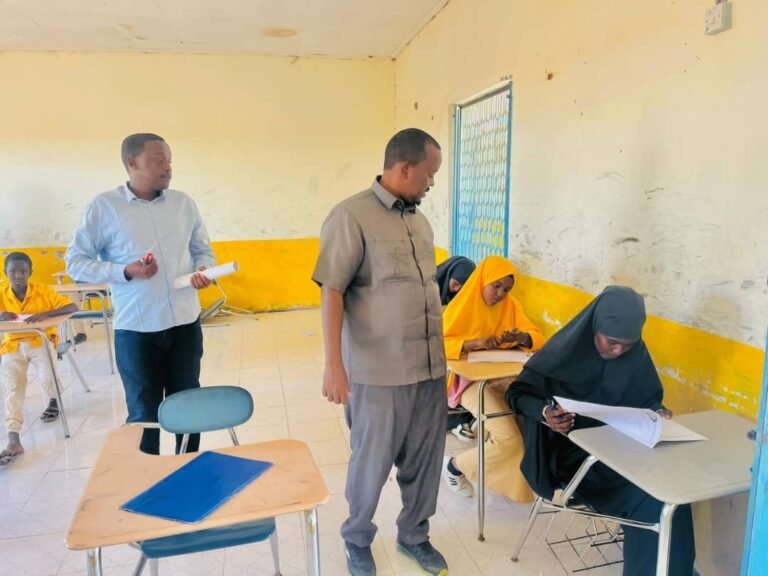
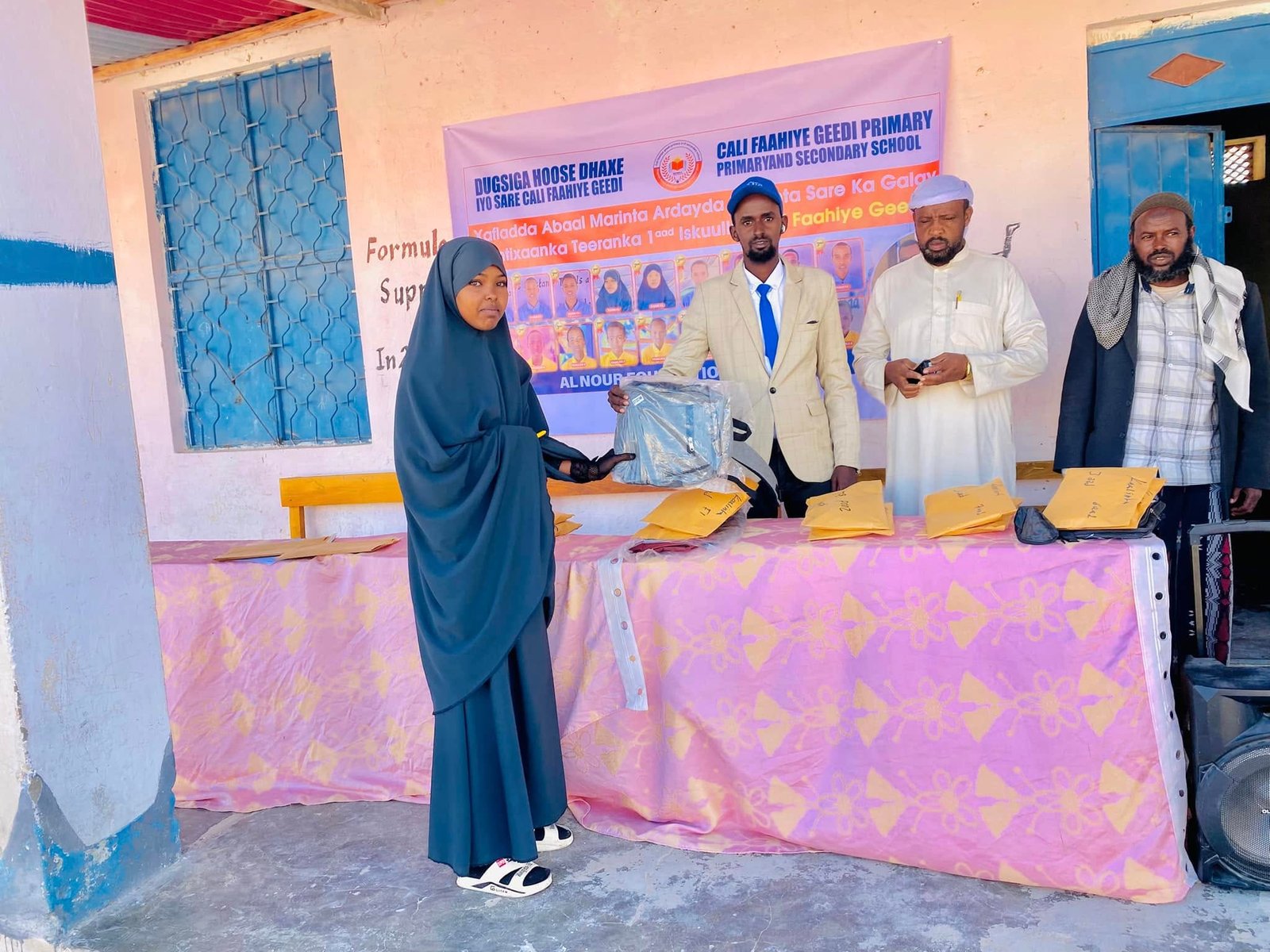
The two photographs associated with this article illustrate different but connected aspects of community development. One shows a group participating in an apparent assistance handover, while the other captures a school-related certificate presentation. Together, these moments highlight two important principles: helping people meet immediate needs and creating opportunities for future growth.
For Noor Foundation and other community-focused organizations, these principles provide a useful starting point for understanding how collaboration can support stronger, more resilient communities.
Understanding the Meaning of Community Development
Community development is a process through which people work together to improve their social, economic, and educational circumstances.
It involves identifying local priorities, strengthening community participation, building useful skills, and developing initiatives that respond to people’s needs.
Successful development is not simply about delivering resources. It is also about helping communities strengthen their ability to identify problems, make decisions, organize activities, and sustain positive change.
For example, providing temporary assistance may help a family address an immediate challenge. Supporting education, vocational skills, or livelihood opportunities may help that family pursue greater stability over time.
Both forms of support can be important, depending on the circumstances.
A comprehensive approach recognizes the relationship between immediate assistance and long-term development while respecting the choices and priorities of the people involved.
Why Partnerships Matter
Partnerships allow organizations and community members to combine resources, knowledge, experience, and networks.
A school may understand the educational needs of its students. Community leaders may have insight into local priorities. Volunteers may contribute time and practical support, while donors and development partners may help provide resources.
When these contributions are coordinated, they can support initiatives that would be more difficult to deliver independently.
Partnerships can also reduce duplication. If several organizations are working in the same area, communication and coordination can help ensure that available resources reach people who need them.
Effective partnerships depend on clear responsibilities, realistic objectives, mutual respect, and open communication.
Each participant should understand the purpose of the collaboration and how success will be assessed. These principles help transform good intentions into organized and accountable action.
Connecting Humanitarian Assistance With Long-Term Progress
Humanitarian assistance is often essential when individuals and families face difficult circumstances. However, the long-term goal of community development should also include opportunities for stability, independence, and personal growth.
The assistance handover shown in the first photograph illustrates a moment of direct community support. Although the image alone cannot establish the exact nature or outcome of the assistance, it offers an opportunity to discuss why respectful, needs-based support matters.
Organizations can strengthen their approach by consulting community members, identifying priority needs, and ensuring that resources are distributed fairly.
Where appropriate, immediate support can be connected with longer-term opportunities such as education, skills development, livelihood training, or referrals to relevant services.
These efforts should be designed carefully. Not every individual needs the same type of assistance, and programs should avoid assuming that one solution will work for every household.
By listening to people and evaluating the results of their work, community organizations can develop more responsive and effective initiatives.
Education as a Foundation for Community Progress
Education is closely connected to community development because it equips people with knowledge, skills, and the confidence to participate in society.
The certificate presentation shown in the second photograph represents the importance of recognizing educational achievement. School events can bring together students, teachers, families, and community members around a shared commitment to learning.
Education can also strengthen the impact of other development initiatives. Individuals with improved literacy, digital skills, or vocational knowledge may be better positioned to access information, explore employment opportunities, and participate in community activities.
For young people, educational achievement can create motivation to continue learning and pursue ambitious goals.
For communities, supporting education can contribute to a more capable future workforce and a stronger foundation for social and economic development.
Community organizations can contribute by collaborating with schools, supporting access to learning resources, encouraging mentorship, and helping identify barriers that prevent students from reaching their potential.
Such efforts should complement the work of educators and respond to priorities identified by students, families, and schools.
Youth Participation and Leadership
Young people are important participants in community development. Their energy, creativity, and familiarity with emerging technologies can help communities explore new ideas and approaches.
However, meaningful youth participation requires more than inviting young people to attend events. They should have opportunities to express their views, contribute to planning, develop leadership skills, and take responsibility for suitable activities.
Youth programs may include volunteering, environmental initiatives, educational clubs, digital skills training, entrepreneurship workshops, and mentorship.
These activities can help young people build confidence while learning practical skills that benefit their communities.
Organizations should also create safe and inclusive environments where young people from different backgrounds can participate.
When young people are treated as partners in development, they gain valuable experience and can help shape initiatives that better reflect the needs of their generation.
Promoting Dignity, Inclusion, and Equal Opportunity
A strong community recognizes the value of every individual.
Women, girls, older adults, people with disabilities, young people, and families facing economic difficulties should have opportunities to participate in community life and access relevant support.
Inclusion requires practical action. Activities should consider accessibility, affordability, safety, cultural context, and the different responsibilities people may have.
For example, an educational initiative may need to consider transportation, learning materials, suitable facilities, or scheduling barriers. A community support program may need clear procedures that protect people’s privacy and ensure fair treatment.
Dignity is equally important. People receiving assistance should be treated respectfully and should not be pressured to surrender their privacy or personal choices in exchange for support.
Responsible organizations recognize that beneficiaries have knowledge, experience, and aspirations of their own. Their voices should help shape the programs intended to serve them.
Transparency and Responsible Use of Resources
Community trust depends on responsible decision-making and clear communication.
Organizations that receive donations or other resources have a responsibility to explain how those resources are managed and what their programs are intended to achieve.
Transparency can include published activity reports, clear financial procedures, documented selection criteria, and appropriate communication with stakeholders.
Accountability also involves recognizing limitations. If a project encounters difficulties or fails to meet its objectives, organizations should examine the reasons and identify lessons for future work.
Feedback mechanisms can help community members raise concerns, ask questions, and suggest improvements.
Privacy must remain a priority when organizations share photographs, stories, or personal information. Permission should be obtained where appropriate, and communication should avoid exposing vulnerable individuals to unnecessary risks.
These practices help strengthen confidence among communities, supporters, and partners.
Measuring Success Beyond Photographs and Events
Community events can demonstrate participation and provide useful opportunities for engagement. However, photographs alone cannot show the full impact of a program.
To understand whether an initiative is successful, organizations should establish clear objectives and identify appropriate indicators of progress.
For educational activities, indicators might include participation, course completion, improved access to learning materials, or feedback from students and teachers.
For assistance programs, organizations might examine whether intended recipients received the planned support, whether the support addressed identified needs, and whether participants found the process fair and respectful.
For partnership initiatives, useful indicators could include the number of active collaborations, shared activities completed, and improvements made through coordination.
Results should be documented accurately, without exaggerating achievements or making unsupported claims.
Evaluating outcomes allows organizations to identify strengths, learn from challenges, and improve the value of their future work.
The Role of Noor Foundation in Community Engagement
The name Noor Foundation provides a useful focus for discussing the potential contribution of community-based organizations to social progress.
An organization committed to serving communities can contribute by identifying local needs, supporting appropriate initiatives, encouraging cooperation, and building relationships with schools, families, volunteers, and development partners.
The photographs associated with this article provide visual examples of community assistance and educational recognition. They do not, by themselves, establish the complete history, scope, or measurable results of Noor Foundation’s activities. Those details should be communicated using verified organizational information.
Looking ahead, a community-focused foundation can strengthen its contribution by setting clear priorities, listening to the people it serves, communicating transparently, and developing partnerships that respond to genuine needs.
It can also encourage community members to participate actively in identifying solutions rather than relying exclusively on outside assistance.
The most effective initiatives are those that respect local knowledge, use resources responsibly, and create opportunities for people to shape their own futures.
How Individuals Can Contribute
Community development is not the responsibility of organizations alone. Individuals can make valuable contributions through volunteering, mentoring, sharing knowledge, supporting educational activities, and participating in local initiatives.
Teachers and professionals can offer guidance to young people. Students can organize learning activities or contribute to community projects. Local businesses may support suitable initiatives, while families can encourage education and cooperation.
Even small contributions can become meaningful when they are consistent, well organized, and connected to a genuine community need.
Before supporting an initiative, individuals can ask practical questions: What need is being addressed? Who will benefit? How will resources be managed? How will progress be evaluated?
These questions help ensure that good intentions are translated into responsible action.
Looking Toward a More Resilient Future
A resilient community is one that can respond to challenges, learn from experience, and continue working toward shared goals.
Building resilience requires attention to education, livelihoods, social relationships, access to essential services, and the ability of community members to participate in decisions affecting their lives.
No single program can address every challenge. Progress often comes through a series of coordinated efforts, each contributing to a broader vision of opportunity and stability.
Partnerships can make these efforts more effective by connecting people with the knowledge, resources, and support they need.
For Somalia, encouraging cooperation among communities, schools, civil society organizations, and development partners can help create stronger foundations for future generations.